
More about Sr Pauline


The pet projects of Sister Pauline

by Sherry Stripling
Seattle Times staff reporter
GIG HARBOR - Midmorning at the Washington State Correctional Center for Women.

Sister Pauline Quinn, a maverick Dominican nun who describes herself as "a different sister," is here visiting from Wisconsin, basking in the glow of a television that roars above the sound of barking dogs.

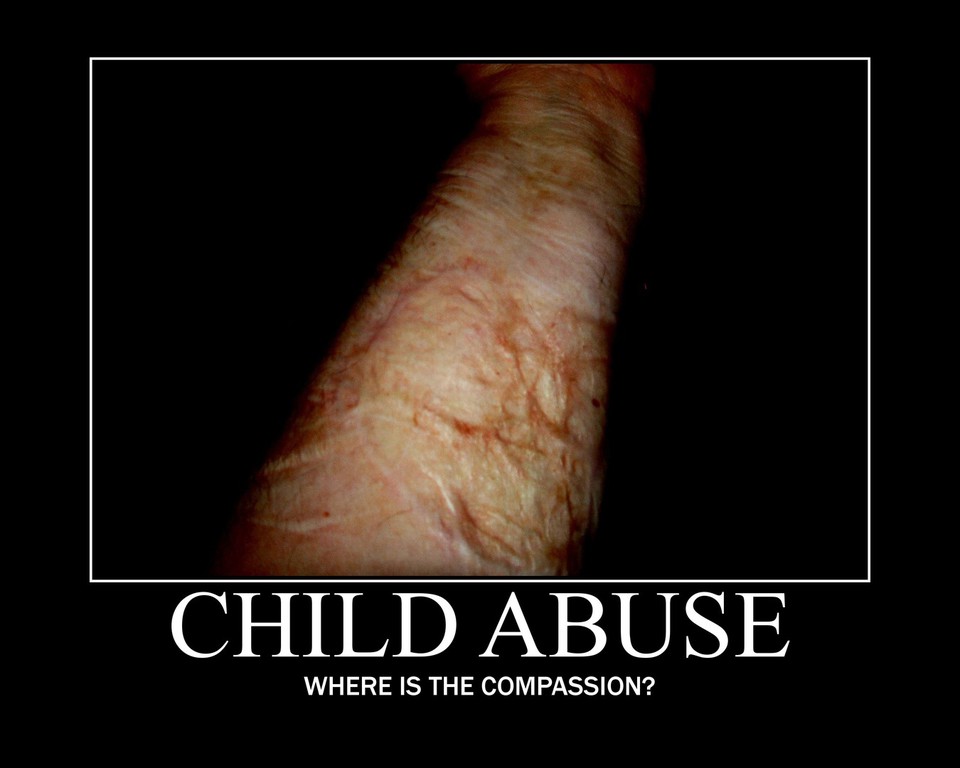
Her navy blue habit is covered in blow-dried dog hair. Her hands and wrists carry scars from years of horror, when she was hog-tied and chained to posts as a teenager in adult psychiatric wards in the 1950s.

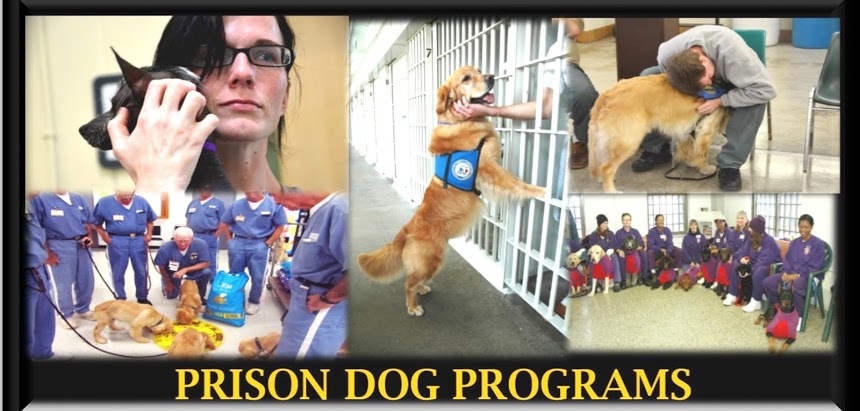
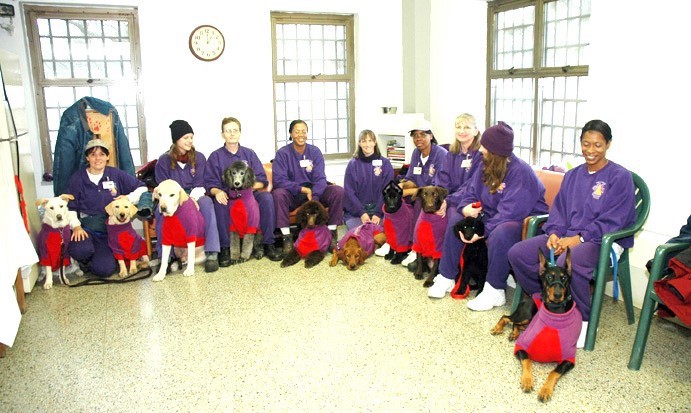
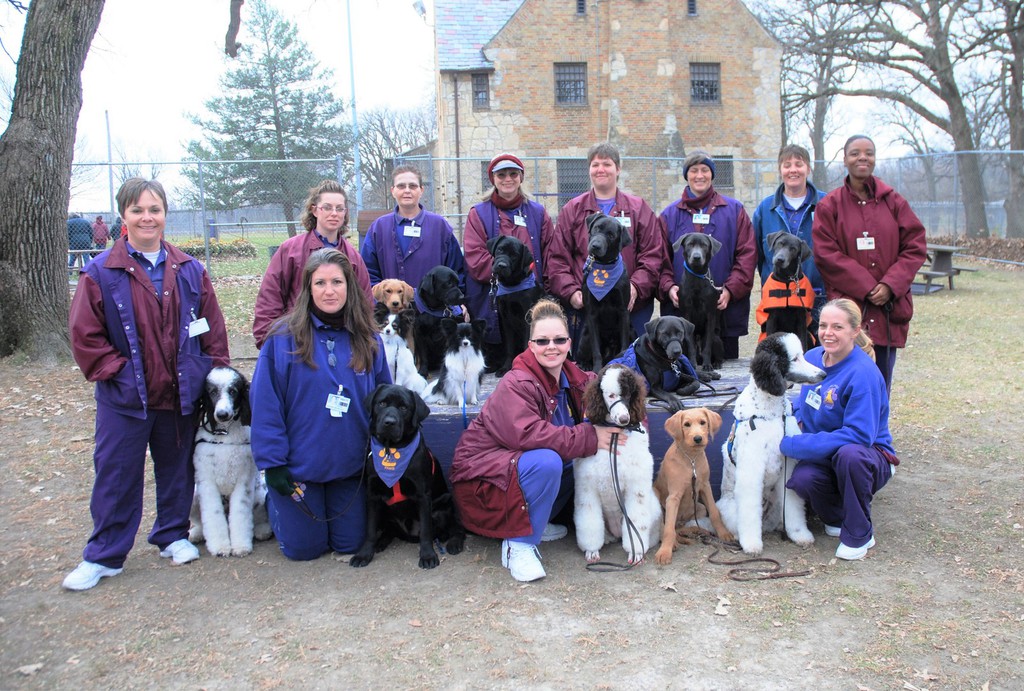
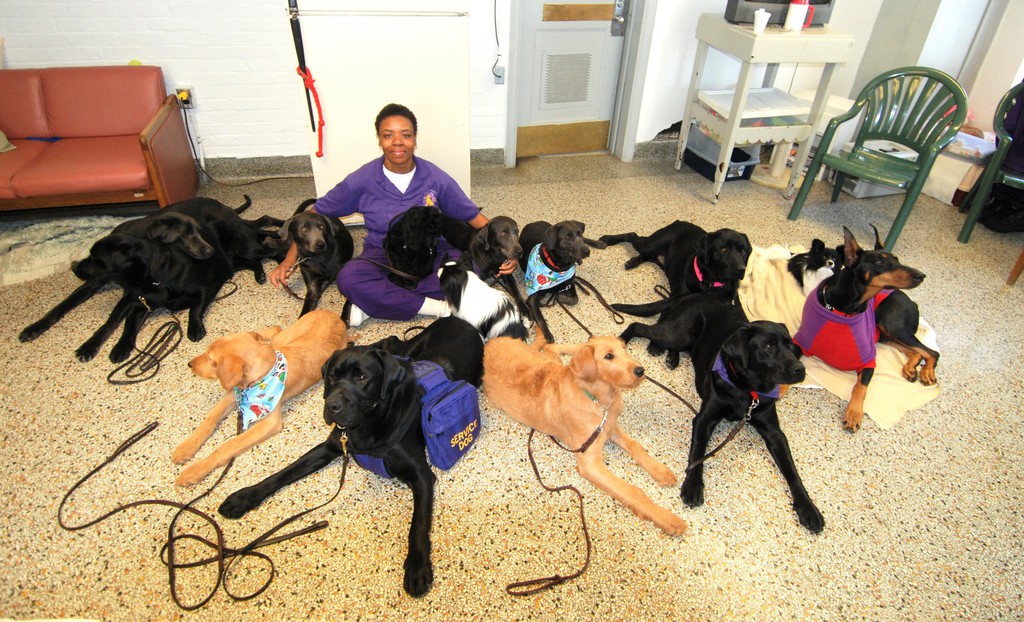
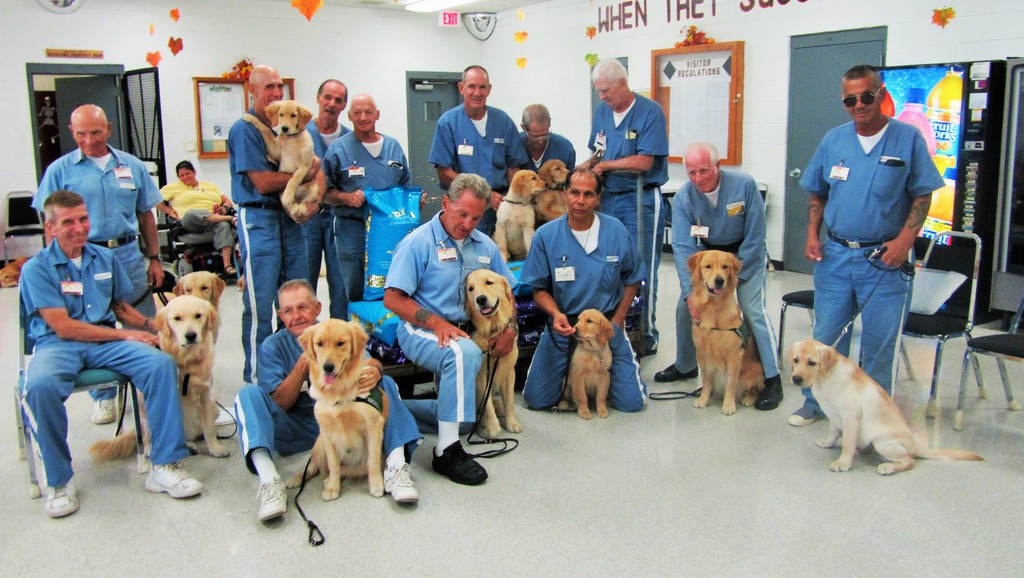
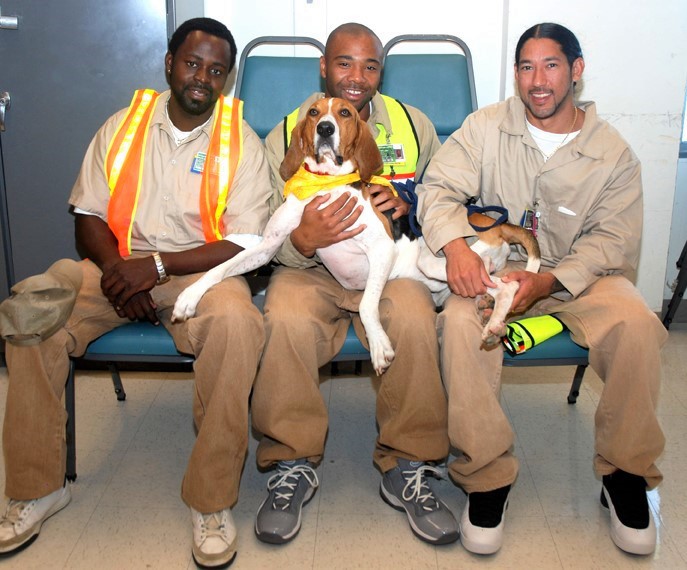
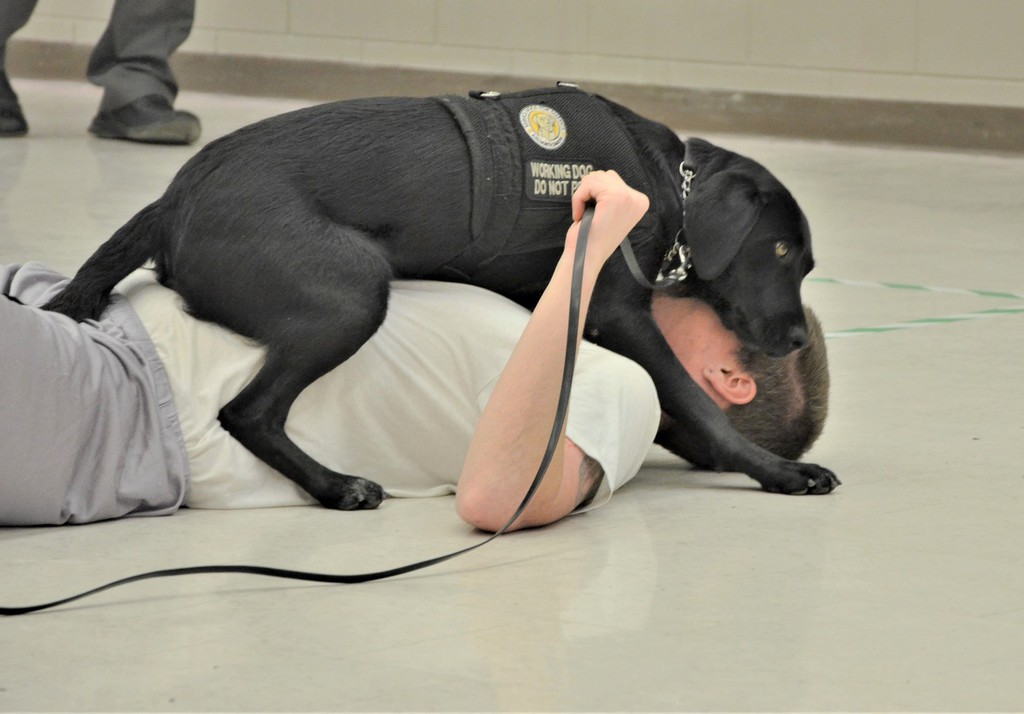
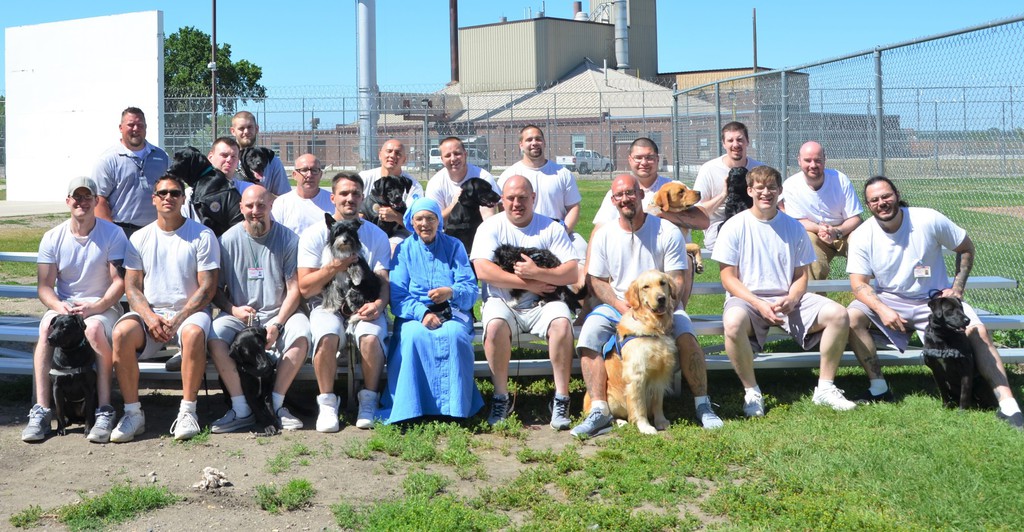
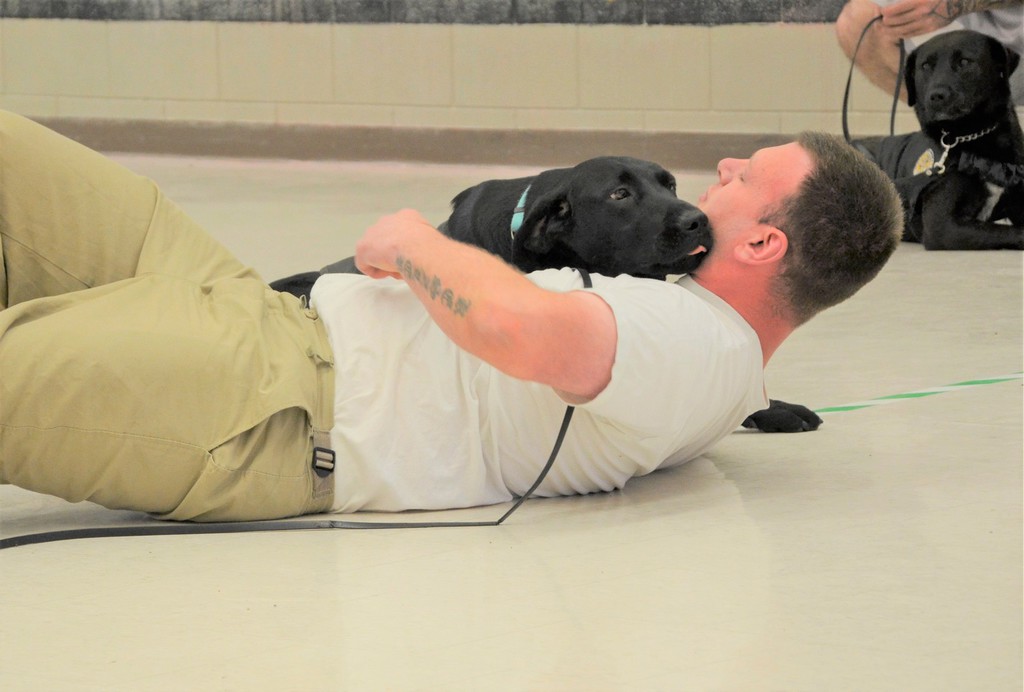
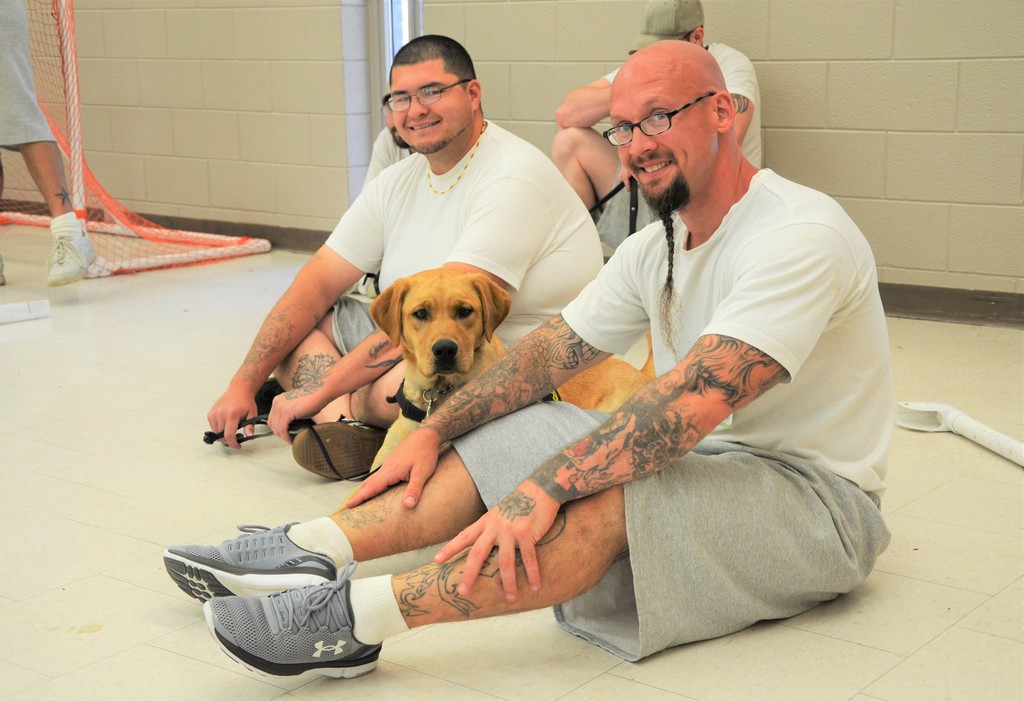
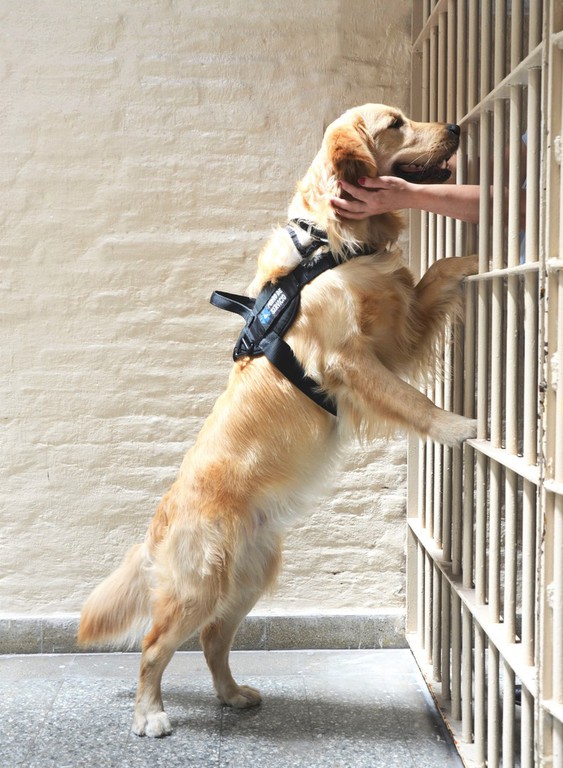
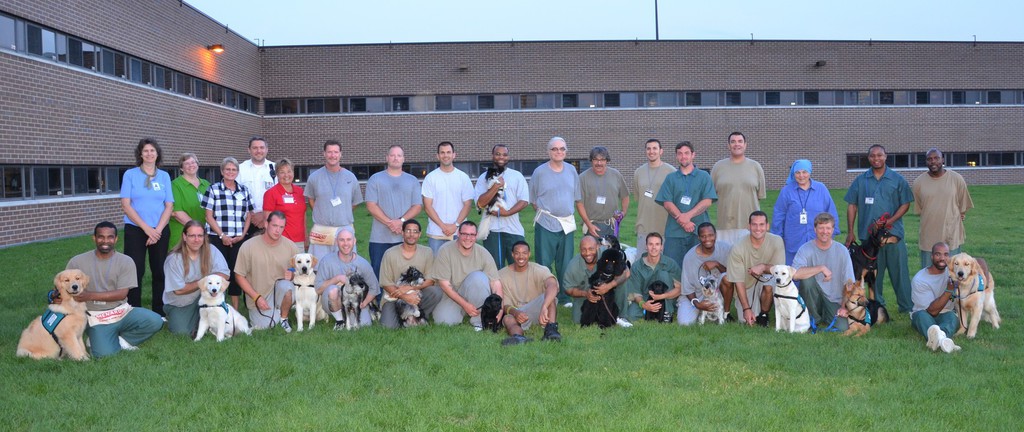
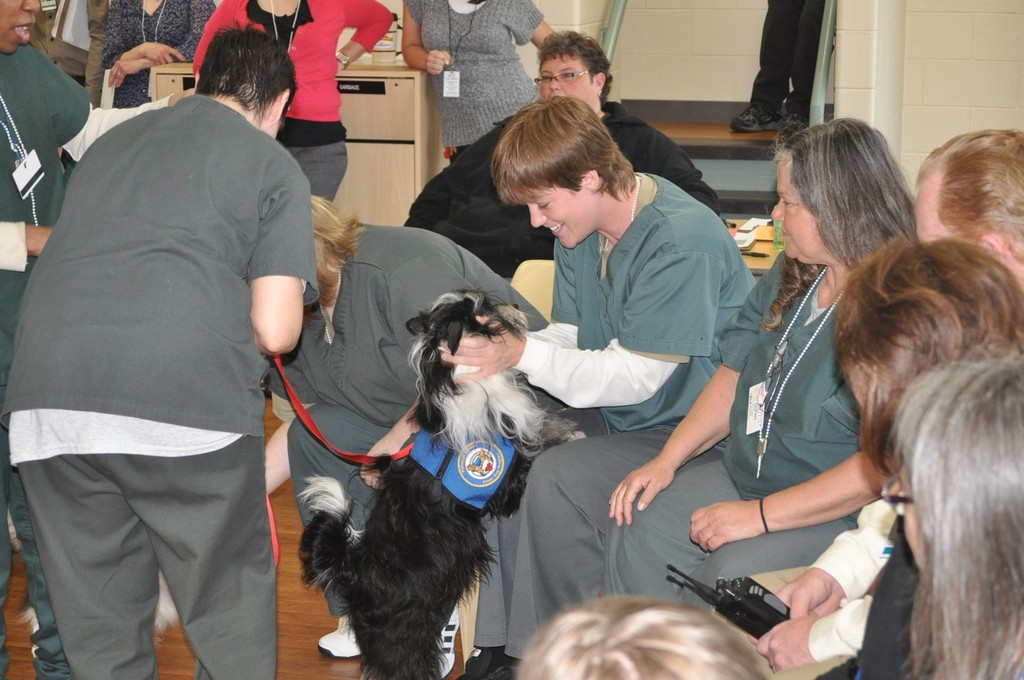
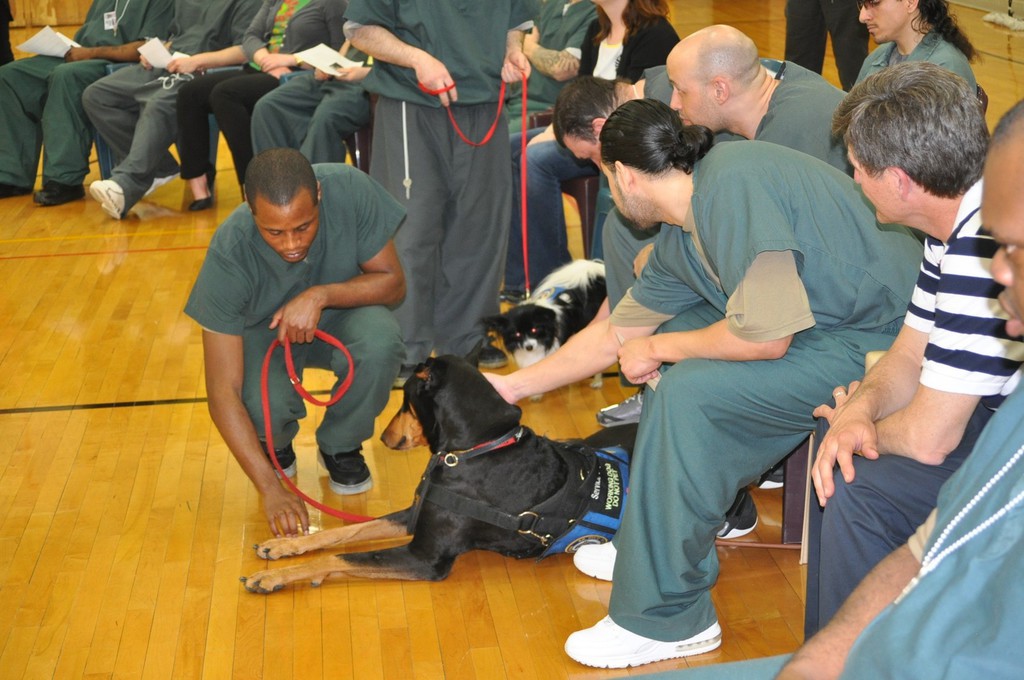
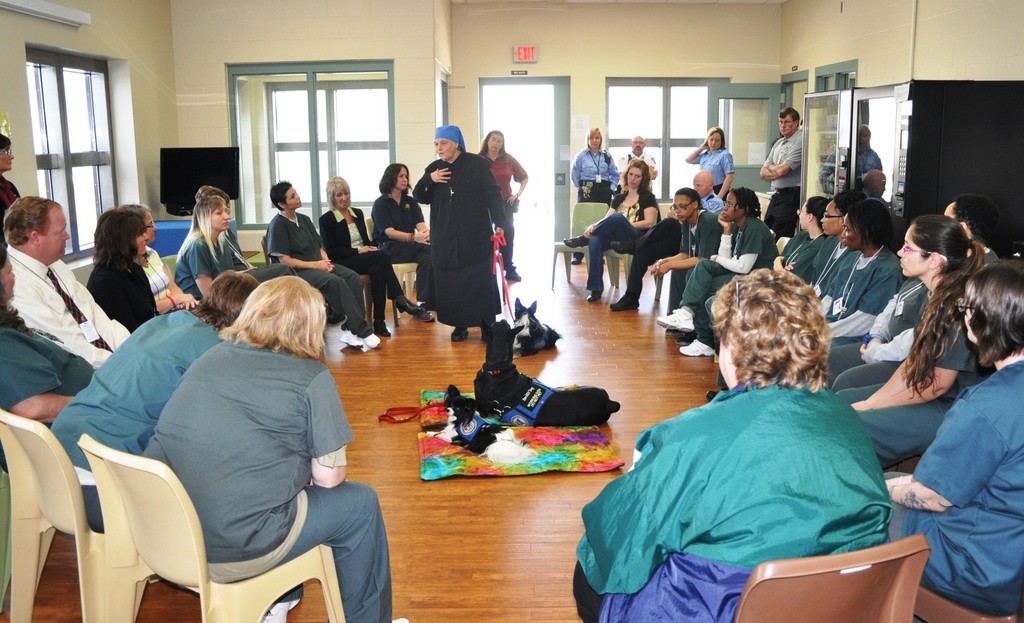
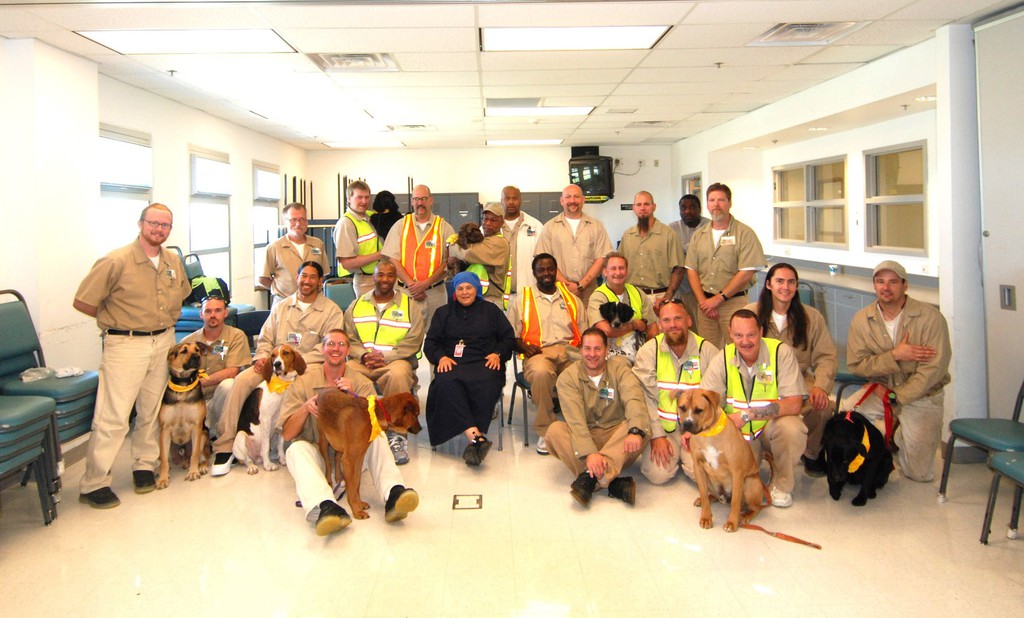
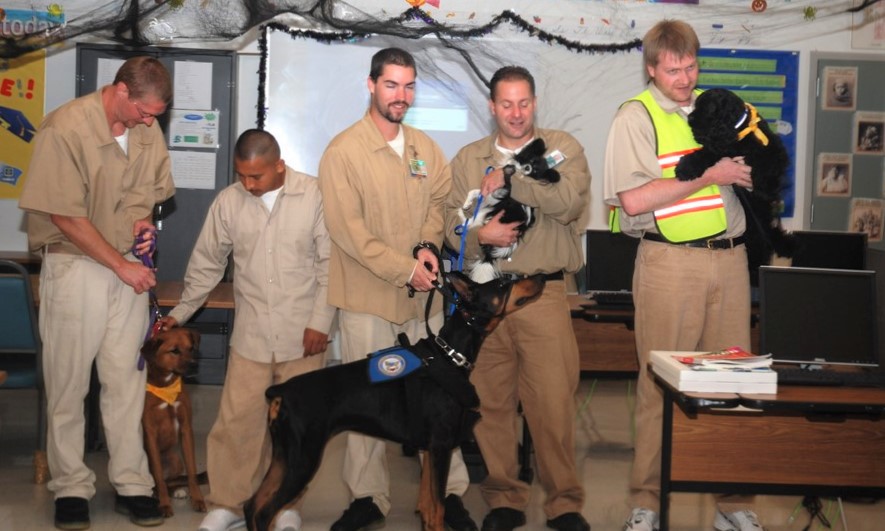
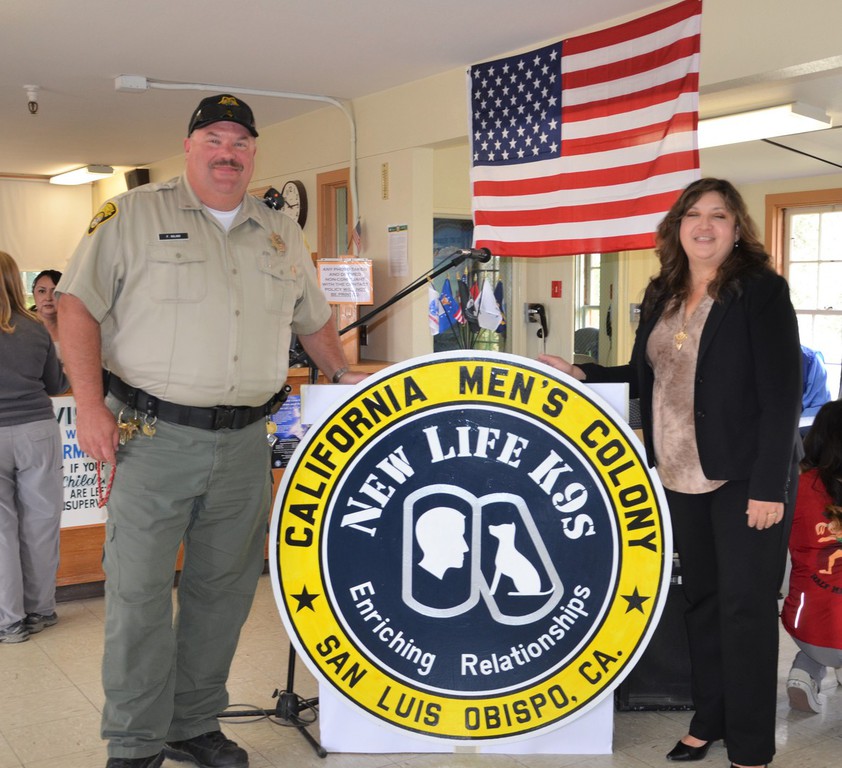
On the TV screen, a taped national news program sings the praises of the Prison Pet Partnership Program, which Sister Pauline started here 17 years ago, believing that prisoners - who learn to train service dogs for people with disabilities - could gain self-confidence from putting others first.

The pet partnership program is considered a win-win-win situation, says the TV commentator, since it also saves the lives of castoff dogs.

Sister Pauline sits back and soaks up the glory, though the benefit is fleeting. Not even national recognition of the program's success can stop Sister Pauline's lifelong leak of self-esteem. At 55, she still struggles to tip the balance of what's good and bad in life.

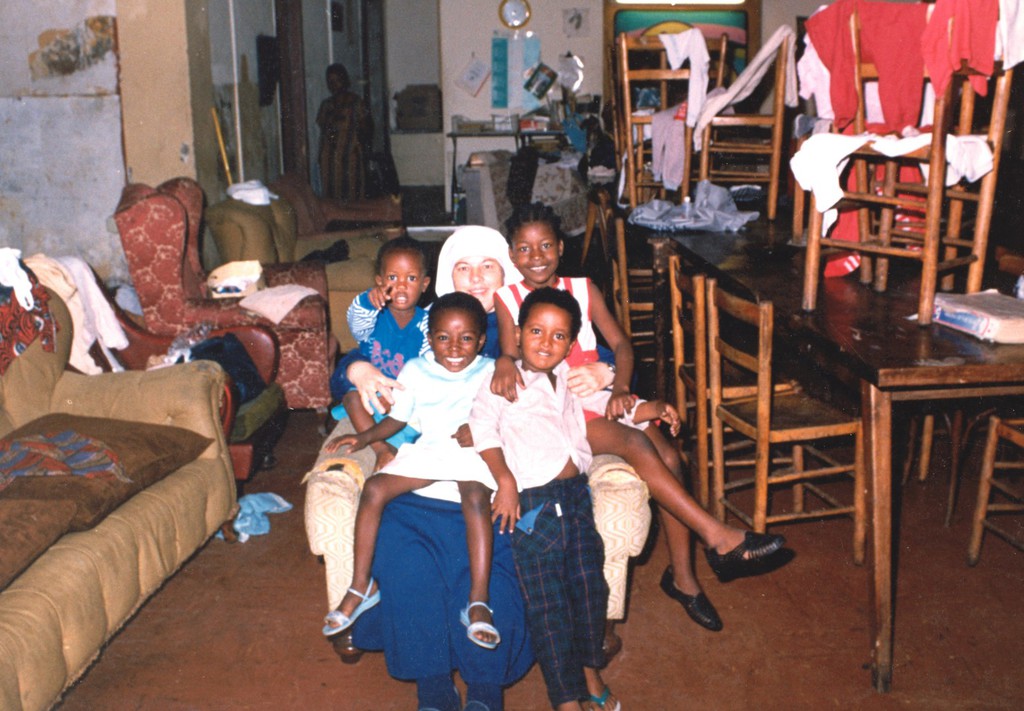
On the good side, she's saved more than 150 refugees in the past 15 years, deliberately seeking the most desperate and difficult to aid, with and without the support of her church.

On the bad side, she can't understand people in power who could help but turn away from suffering.

She can't turn away; she's been there. She describes her early life with the words "torture," "trauma" and "pain." Until a German shepherd named Joni turned her life around in her early 20s, she was expected to die on the streets of Los Angeles.

Some officials in the Catholic Church don't know what to make of her. She was institutionalized 36 times in her teens. She approaches her rescue work with such singlemindedness, she's been called "an embarrassment" by one church official.

But she has her supporters, including the master of the Dominican order, Father Timothy Radcliffe.

Christ loved all, and He knows the hearts of the people who really want to do good, she says, but the church is more discriminating.

"I have had to fight every inch of the way."

If people only understood her, she says, maybe they wouldn't shun her but instead help her fight for the poor and unwanted.

"So I have come to the conclusion that I want to share my story," says Sister Pauline, who invited her listener to come to the prison, site of her first triumph. "I'm ashamed of my life, but I shouldn't be because I did nothing wrong."

Convinced she was worthless

Sister Pauline was born Kathy Quinn in Los Angeles.

The earliest details of her life are sketchy, and deliberately so. She will say only that she came from "an extremely dysfunctional family" where she was convinced that she was worthless.

Her home life had that Southern California glow, appearing perfect to the outside world, she says. But she found the mental distress unbearable and began running away at age 13.

In the 1950s, there was no place to put kids who weren't delinquents but were chronic runaways.

"Those were the days when they stuck kids in with adults in psychiatric hospitals," says Ruth Olson, who was Kathy Quinn's social worker in Los Angeles. "Here was this little girl who wasn't mentally ill put in with adults who were."

The adults underwent shock treatment and lobotomies. Quinn says she was threatened with both.

She was "depersonalized," she says, molested by doctors and hospital aides, something her father confirms today in a letter, although he moved out of the family home when she was very young.

"Who would believe me?" Sister Pauline asks now. "I was extremely powerless."

She started attacking herself with razors, knives and flames, "an out for terrible abuse" that took her 25 years to control, she says. Quoting experts today, she describes the syndrome as "transferring unbearable emotional pain into manageable physical pain."

Her lack of self-confidence was difficult for others to witness. At 20, she couldn't speak face to face, Olson recalls. Kathy Quinn hid behind curtains to talk or stood behind her listener's back.

Life was no better outside the institutions. In the beginning, she was always returned home. Later, she lived on the streets, staying in abandoned buildings, which she left only at night.

Police officers picked her up on vagrancy laws, she says. Eventually, she was impregnated by one who drove her to the edge of town where no one could hear her screams, she says.

"You wouldn't believe the horrible things she went through," says Olson, who remains in contact.

Quinn lived with the help of nuns in Los Angeles. She gave up the baby at 6 months old, one day after she and the baby were baptized. It was a deep shame, she says, because of society's treatment.

By 1966, Quinn knew she needed a friend, but she still was in no condition to make human contact.

With the tenacity that later would help her serve others, she wrote to kennels listed in the back of dog magazines until she found one in Texas that agreed to give her a German shepherd, if she'd pay the freight.

"Joni was really my first link to power," she says today.

Police didn't stop Quinn when she walked down the street with the dog by her side. Joni became a magnet to people who wanted to talk. As long as their eyes were on the dog, Quinn could respond.

"Little by little, it changed her life," Olson says. "It was her way of being socialized."

Travelers, not vagrants

Eventually, Quinn added a second and then a third dog. She met a friend who also was on the street and found a dog for her. Rather than being vagrants, they decided to be travelers.

In 1967, at age 24, Quinn and her friend and four dogs took off across the country. They traveled by freight car or hitching rides. At night they tied the dogs to their hands and feet for protection.

Quinn was forced to find homes for the dogs - even Joni - in Kansas City. But she continued to travel, going first to the British Isles to spend time with a nun "who changed my life," then back home to California and then to Alaska, where she was homeless once more.

At last she ended up in Everett, where she used state assistance to train as a photographer.

She was on welfare when she came up with the idea of taking animals into an institution to see if she could use the animal-human bond to help people like her.

"There are so many wounded people out there, wounded through no fault of their own," Sister Pauline says now. "They need to be understood."

At a conference in the late 1970s, she heard about Dr. Leo Bustad, who already was doing similar work as chair of Washington State University's respected veterinarian program.

Quinn shared her idea with Bustad, who understood her dilemma. How could she - with her history - convince institutions that she was legitimate? He agreed to put his reputation on the line.

Sister Pauline says today she believes Bustad understood her suffering because he was a former prisoner of war.

Linda Hines, who was working with Bustad in Pullman on other programs that used animal compassion to help people in need, says Bustad always was open to new ideas. It was clear that Quinn had insight.

"She has a genuine love of people and animals," says Hines, now CEO and president of the Delta Society, which encourages the use of animals for healing. As would always be the case, Quinn had no resources, Hines says, but she knew how to "survive by her wits."

Quinn was a client with the Department of Vocational Rehabilitation when she made a video of a dog she had trained to help people in wheelchairs. She bought a briefcase and pretended she was a professional.

The state's mental health department turned down the idea but, with Bustad's support, the department of corrections went for it.

A successful program

The Prison Pet Partnership Program became official in 1981. Quinn stayed only a year, but the program continued to grow and strengthen.

Today, prisoners who learn to groom or train dogs are so successful, retiring director Jeanne Hampl says she gets calls from potential employers asking when the next inmate is getting out.

Money the prisoners bring in from boarding, grooming and training privately owned dogs foots the bill for training service dogs that are given free to people with disabilities.

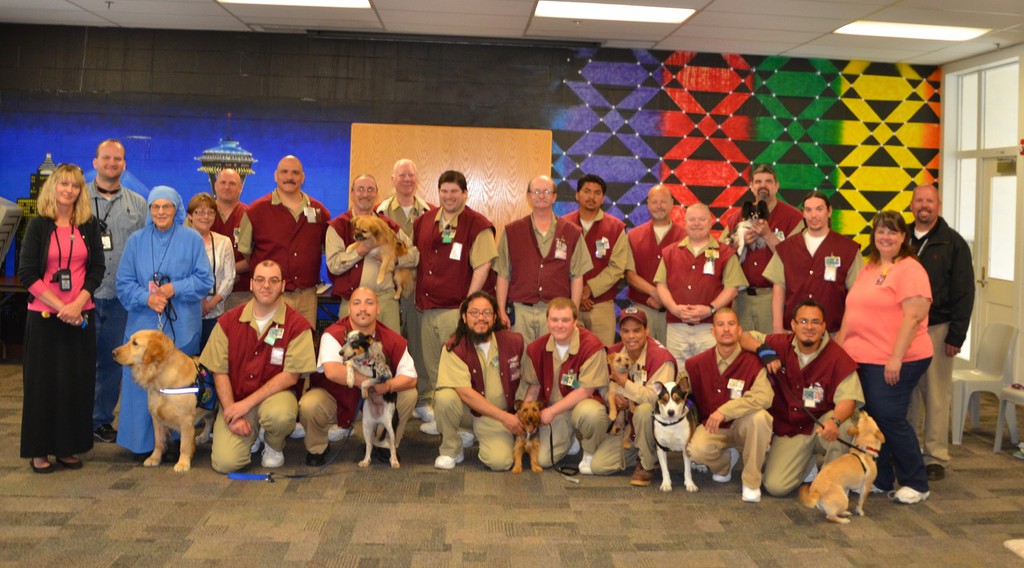
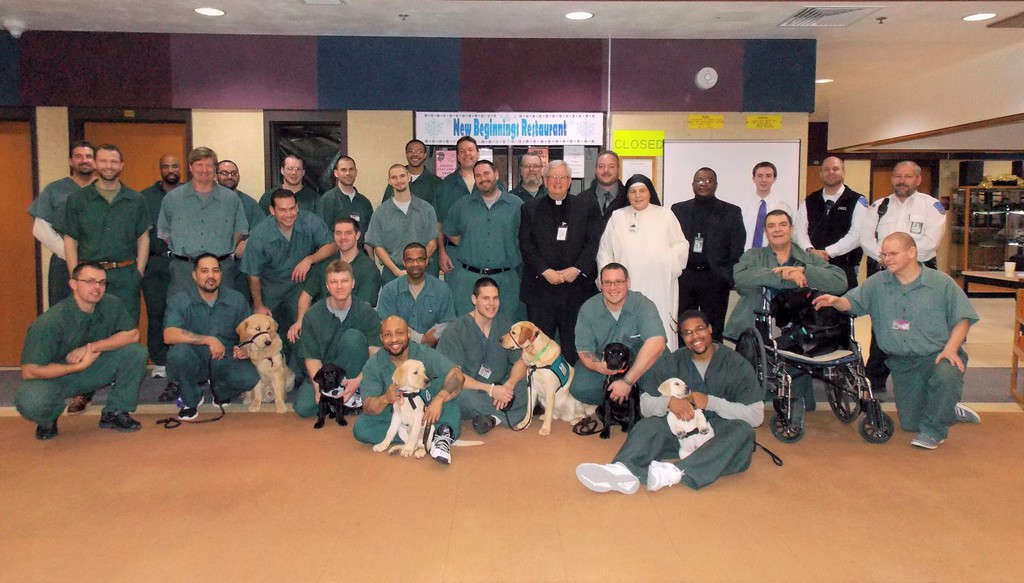
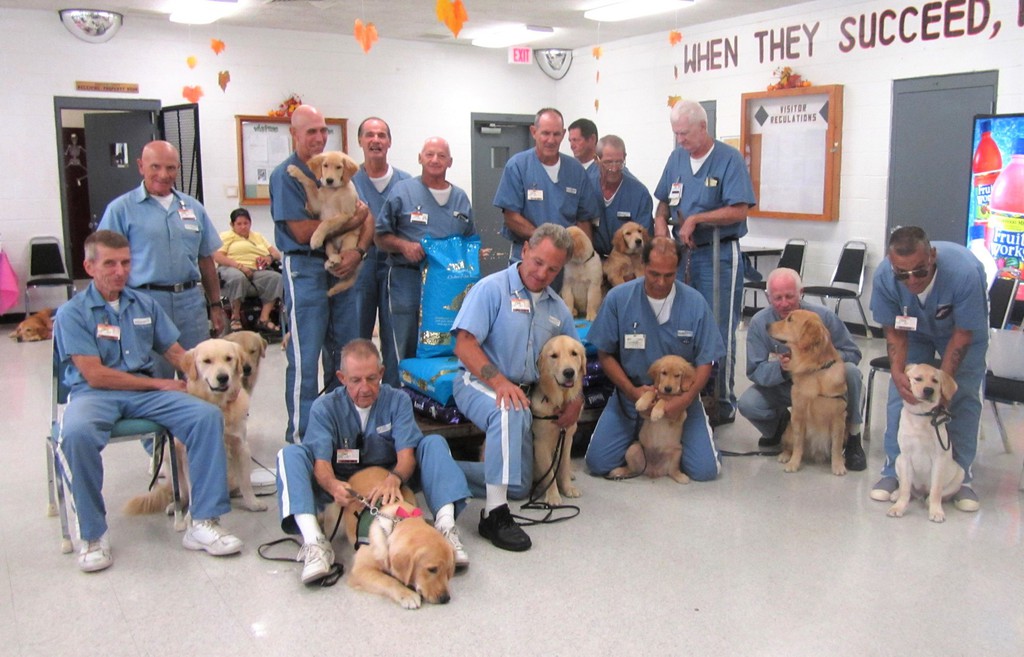
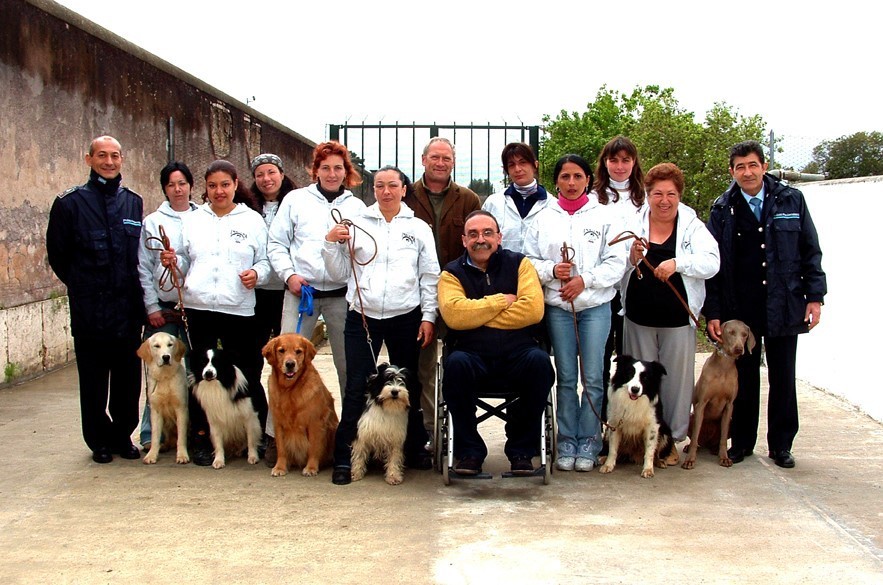
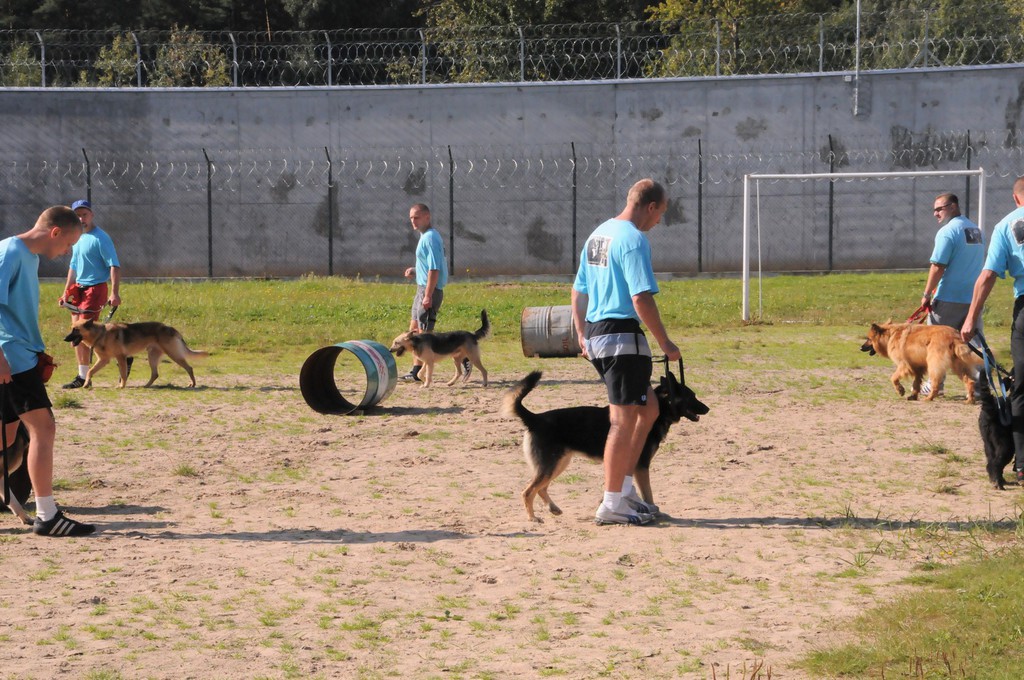
Institutions all over the country have copied the program. Sister Pauline helped start one last year at a men's prison near her home in Wisconsin.

"I am very proud of her," says Olson, her former social worker. "That she is well-adjusted now is just amazing."

The hard work really was just beginning for Kathy Quinn when she left Gig Harbor in the early 1980s.

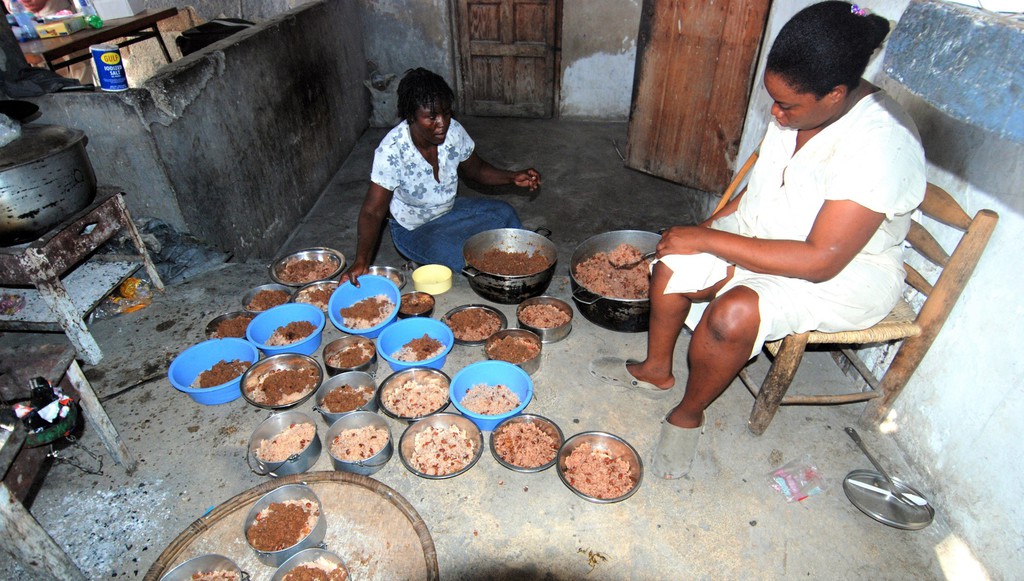
She went to Italy, where she began helping refugees who'd fled Africa, finding permanent homes for many in Canada and the United States. She was beginning to understand her calling in life, which was to put her suffering to good use by helping others.

She came back to the U.S., where she was accepted for training by Franciscan sisters. She had supporters, but it was a long battle to be accepted. One who understood, she says, was her spiritual adviser, Father Michael Stock, a psychologist.

Finally, someone who had seen her work in Italy, Bishop Raul Vera Lopez, the Co-Bishop of Chiapas, Mexico, took responsibility for her and heard her vows. He wasn't entirely sure about her - in the beginning she had to renew her vows yearly - but he approved of her vocation.

"To think how busy he is, with so many problems in Chiapas, but he still had time to be supportive of me," Sister Pauline says.

That's how it should be done, she says. We all need love and kindness and understanding. Help people reach their potential by pouring out love, not judgments; look at what they can contribute rather than being fearful they will be an embarrassment.

"This is what makes people heal."

A life of poverty

Although Sister Pauline lives and works within a cloistered community when she's in Italy, she belongs to no community in the U.S.

The price she pays is poverty. She lives on $200 a month, staying for free in a dark basement in Green Bay, where she tends a family's dogs.

It's worth it to maintain her independence. She goes wherever she feels she's needed, using her network of contacts to pay her way.

"I only wish I were in a position to help her more," says Bustad from Pullman, where he is retired.

When she heard that mentally retarded children were struggling to put on their gas masks during the Gulf War, she boarded a plane for Israel.

She keeps the letter of thanks attesting to her good work there in a notebook that never leaves her side. Like her nun's habit, such letters are her cloak of respectability.

"My only interest is in some small way to aid her worthy endeavors," her father writes in one letter, "something I was unable to do in her formative years."

Sister Pauline seeks always to help the most difficult cases. Among other triumphs:

-- She found a loving home in the U.S. for a little Croatian boy who had no arms or legs.

-- She arranged to get a paralyzed young man through an underground tunnel out of Sarajevo. She battled with officials along the way, and, with no financial backing, arranged airline transportation to the U.S. Then she went back and got his family so they could support him.

"I will not let anyone crush my vocation," Sister Pauline says. "Being a Dominican has given me a sense of purpose. Now I have such power inside me I am not afraid of anyone."

It has been a long struggle, but Sister Pauline has managed to put all of her life experiences to good use.

At the correctional center, a television commentator now draws her attention. The sentiment being expressed on the videotape about the Prison Pet Partnership Program could be right out of Sister Pauline's history.

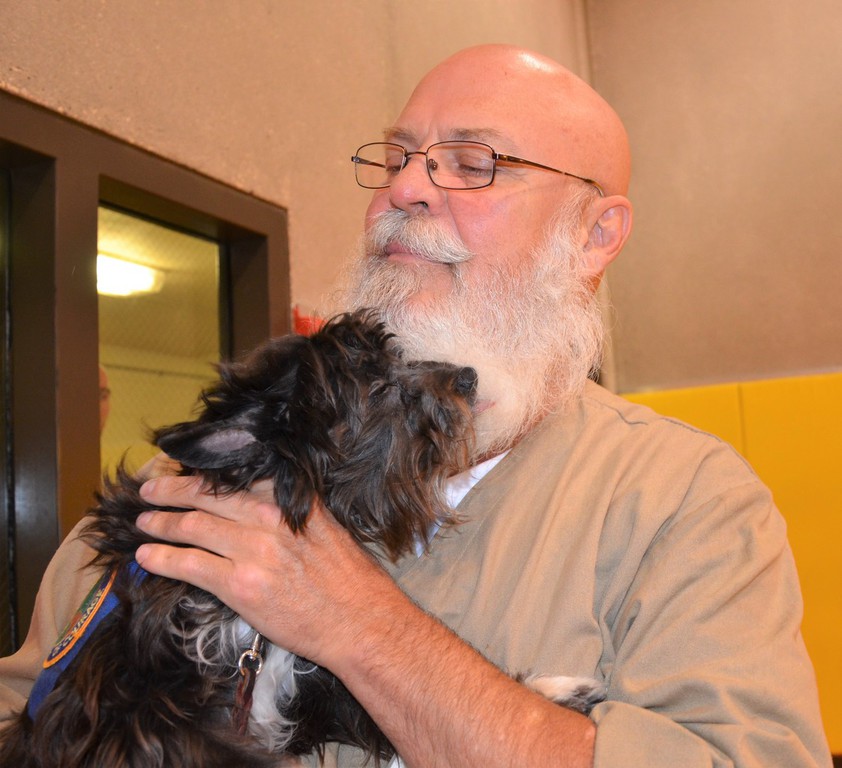
A prisoner tells how all her life she thought she was no good. But the dogs found something good in her. Each time she watches a dog trot away after months of training, she's sure the dog will share that good with someone who needs it.

The receiving end speaks up.

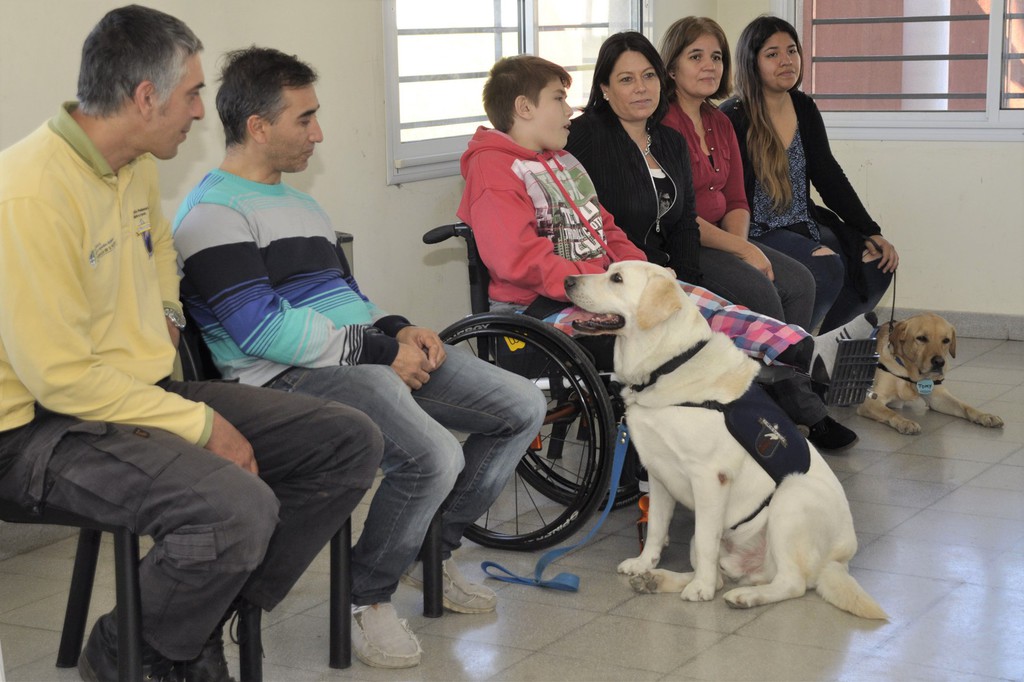
A man tells how he spent his days sitting in his apartment thinking about life in a wheelchair. Now he and his dog go to the park, the mall and coffee shops, where conversations tend to start with the same line, "What a neat dog!"

Sister Pauline can hardly sit still. All her life she fought to keep from being crushed by people who thought she was beyond redemption. Look at what the prisoner, the dog and the new owner have given each other - the power of positive self-worth!

"Nobody can be perfect in this life, but at least we can try to be better. Things like this are part of a chain reaction of good."


THE WOUNDED HEALER
by Sr Mary Jeremiah op
Monastery of the Infant Jesus
Lufkin, Texas

Living on the streets was very familiar to Blessed Margaret of Castello.

This holy woman of the 13th century was born blind and deformed. Her wealthy Italian parents were ashamed of her disabilities. They abandoned her after efforts to obtain a cure for their little daughter proved fruitless. The citizens of Citta di Castello befriended Margaret, and she later became a member of the Dominican Tertiary. Margaret spent the rest of her life reaching beyond her own misfortune to help others. The saints are role models, examples of encouragement as we meet the
trials and challenges of life. Sister Pauline Quinn op of Green Bay, Wisconsin is one young woman who has followed Margaret's inspiration. Sister Pauline has a remarkable ministry to those on the fringes of society. She has provided homes for the homeless, limbs for the disabled, meaning in life to prisoners. Her ministry is so fruitful because she knows first-hand what it is to be forgotten and brushed aside by society.
Born Kathy Quinn in southern California, life was always difficult. Her parents separated when she was very young. Alcoholism became a problem in the disturbed and broken home after her mother's remarriage. The shy little girl was often neglected, suffering mistreatment and abuse by some neighbors and various authority figures. No one knew about her situation, because she talked to no one about it at the time. Her life became a pattern if running away from home and detention in juvenile correctional institutions., "I lived in 14 different institutions 36 different times, "remembers Quinn," and it was in these institutions during the 1950's that I experienced the greatest traumas of my life. I was kept chained to my bed or a post in the courtyard; oppressed and abused by people who were suppose to help, not hurt." Eventually, she ran away without being caught. Now began the years of living on the streets, sleeping in abandoned buildings drifting around the country and being in jail because of the vagrancy law. Her low self-esteem paralyzed her into a mute fear when confronted by those she did not trust.
Hence, she had no defense when raped by a policeman who found her wandering the streets. When she became ill in southern California, she was sent to a Catholic hospital only to learn she was not ill but pregnant.
Devastated, she sank into despair.
This marked a turning point in Kathy's life. It was in the hospital that this forsaken girl from a Mormon background met a Catholic sister for the first time. The love and friendship of Sister Joseph soon led Kathy into the Catholic Church, though it would be years before her faith became stable and mature.
Kathy tried to care for her new daughter, but a lifetime of trauma and abuse was too much to overcome on her own. "The day after we were baptized in 1963, coming into the Church together, my daughter left my life. It was very, very sad for me because she was really the only thing I had in my life that meant something to me. But I wanted her to have a real family and I was too wounded to give her what she needed in life." With nothing and no one, not even a little hope in her heart, she began
to drift again, going from one state to another... walking, riding the freight trains and hitch hiking, searching for her place in life. Returning to southern California, she met a social worker who befriended her. And there was another who changed her life... a German Shepherd named Joni. "Joni was very protective of me. Her very presence helped boost my self-esteem," recounts Quinn. "Joni was very loyal, she would not let anyone hurt me. This gave me power to stand up for myself." Power helps heal wounds, for if you feel protected from being hurt, you can take more risks in growing and opening up to others. Having Joni helped Kathy overcome her fear of speaking to people.
"It felt good to have this inner power that I had never experienced before, so I got another German Shepherd named, Chief, then Dena my third very beautiful German Shepherd. The more Shepherds I had, the more power I had. People even locked their car when I passed by."
Kathy lived for a while in Washington State and studied photography. She is now an accomplished photographer, with a book of her work, "The flower Garden," published. Quinn was unable to talk and express herself well due to all the abuse. "I didn't have to speak, I just took photographs to share how I felt about life."
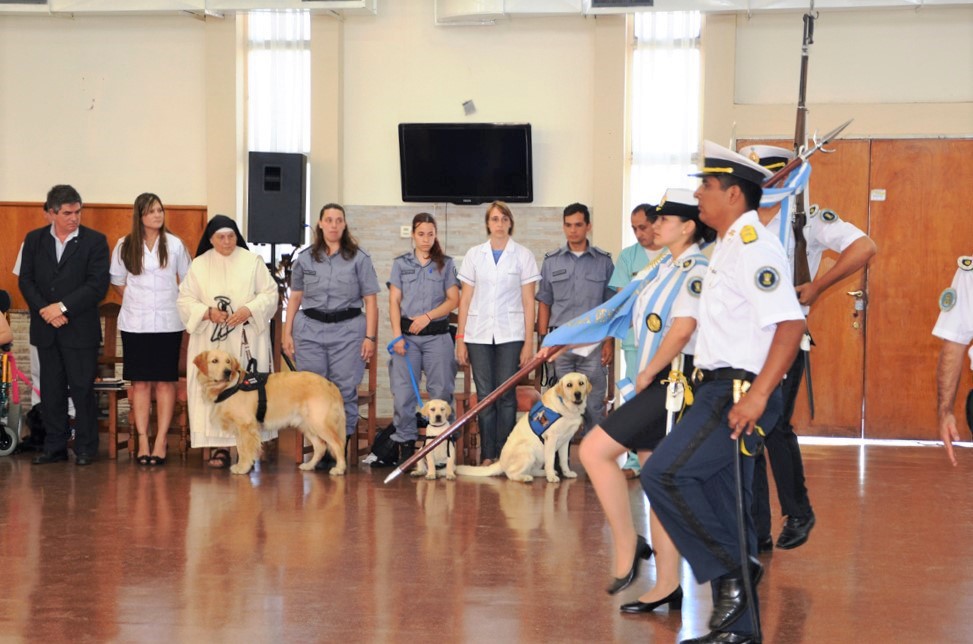
In addition to this art, she studied dog training and met Dr Leo Bustad, Dean of the Washington State College of Veterinarian Medicine. She had the idea of teaching prison inmates to train dogs to help the disabled, and with Bustad's help she started a program at the Washington State Corrections Center for Woman in Gig Harbor, Washington. The program continues to this day.
Life seemed to settle into "normal". However, after years of abuse and trauma and living alone on the streets, Kathy found the stress too much. "It was a difficult trial for me to live in a family neighborhood where I had to keep up the lawn and live like a normal human being. I did not know much about living in a normal environment. No one knew how deeply I was suffering from my experiences in life."
Through spiritual direction and wonderful support from caring religious who supported her budding vocation of being God's servant, Kathy went to Rome. The eternal city has a way of changing many people. Perhaps it is due to the centuries of saints who have hallowed its streets, whispered prayers in its air and, above all, the sanctifying presence of the Holy Spirit at the heart of the church. It was the influence of the people in Rome, the Dominican Sisters of Bethany and Dominican Father Michael Stock op, now deceased, that Kathy found her place. After living with Franciscan and Dominican Sisters, living and studying in a convent for her new way of life, Kathy pronounced her vows as a Third Order Dominican and took the name Sr Pauline in honor of the great apostle of conversion, St Paul.
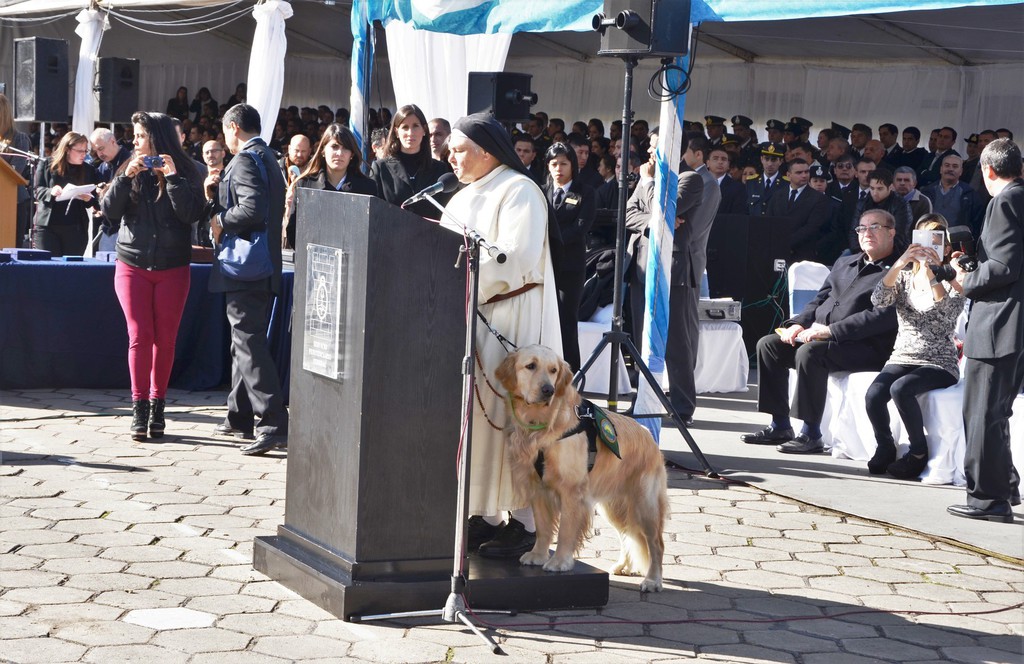
Bishop Raul Vera Lopez op, the Dominican coadjutor bishop of Chiapas, Mexico, met Sister Pauline in Rome at a dinner with the Master General of the Dominican Order. They became friends and she was later consecrated to God under the authority of Bishop Raul. His guidance and support gives her vocation more stability and deepens her commitment to serve God.
"The more I helped others, the more my own suffering took on meaning," Sr Pauline acknowledges. "For twelve years I worked with Africans fleeing war in their country and stranded in Rome. I helped them find a new life and happiness, moving over 150 of them to Canada and several to the United States."
Sister Pauline can be found wherever there are marginalized and suffering people. She has twice experienced the heartache and agony of war.
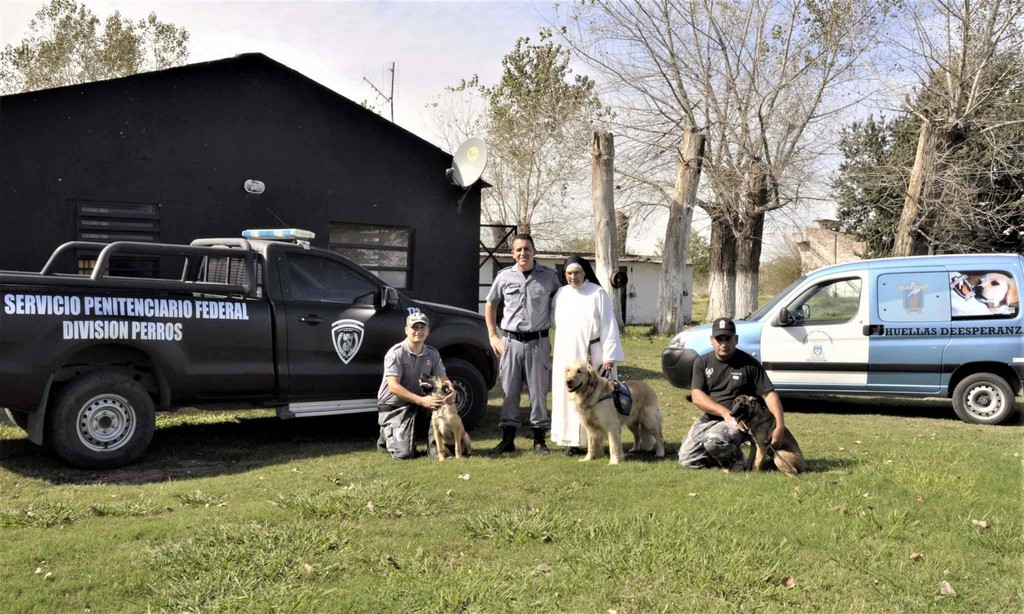
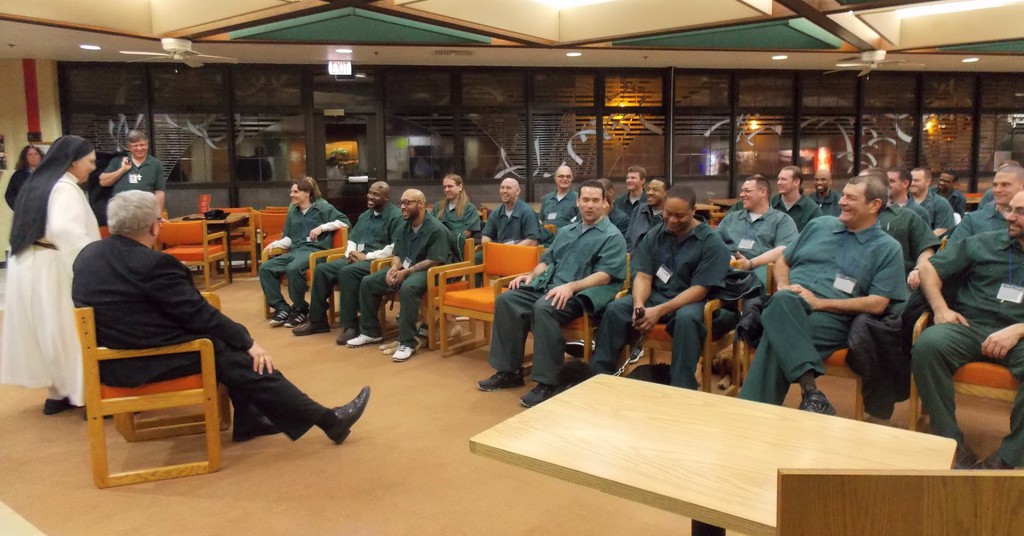
During the Persian Gulf War she helped retarded Israeli children and 1993 found her in Bosnia-Herzegovina with homeless and injured Moslems, Croatians and Serbs. "I was right there in the fighting. My own suffering lessened when I went into dangerous places to help people in desperate situations." Sister Pauline has spoken to groups in England, Scotland, France and Italy. She has helped handicapped orphans find adoptive families who will love them. She has most recently initiated a new dog training program in a prison for men in Wisconsin.
How does she do all this work without an income? "I have $200.00 a month that I use for phone calls and stamps. I live in a basement of a house. I have no medical insurance for myself and my health is failing, although I have been able to help many people have medical attention and surgeries."
Dusko and Srecko, two wounded men from Bosnia, had four operations each after Sister Pauline brought them from the war to Wisconsin for medical treatment. Pablo from Mexico recently received two prostheses after his arms were amputated following an electrocutions accident at work.
Panfilo, another young man who lost an arm, will be arriving from Chiapas, Mexico for a new arm.
Many people read and heard about Sister Pauline's amazing charitable work; yet, few know of her own tragic past that still lingers to haunt her.
She is a beautiful example of a "wounded healer." How true it is that we grow by reaching out to others.
Sister Pauline shares, "I have not been able to completely overcome the pain of my life experiences. Accumulated traumas can develop into what is called, "Post Traumatic Stress Disorder." It triggers painful memories when confronted by those who reject, oppose or label me... especially if they never spoke to me. It is so painful to work so hard, only to have people judge me without knowing me. I can honestly say that I have contributed something to society in spite of what happened to me in my life. I want to give others hope and meaning in life.
"I don't need German Shepherds any more to give me power. I carry it now in my heart because my power comes from my faith in God, realizing that everything has a purpose."
The past can never stop us from growing in life. Suffering can be a blessing and make us stronger. "I would never have become a Catholic or become 'Sister Pauline' if I had not suffered and searched for meaning in my life."
"When a life is broken, it is very hard to put the pieces back together.

I have discovered that I don't need to be perfect to trust in God and to maintain a steadfast faith. If we don't give up, we will find that God will never fail us."


home | the prison dog project | pax | victims of trauma | the roses project | About Sister Pauline
remembering a life | remembering "the rose"  | books/ videos | contacts | e-mail